
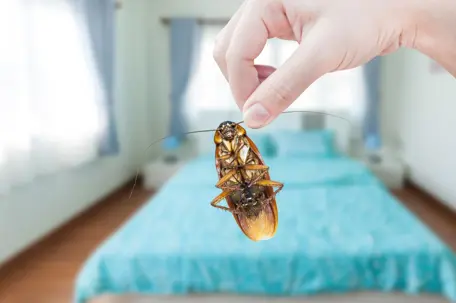
Cockroaches are among the most dreaded household pests. These resilient insects are notorious for their ability to survive in nearly any environment, but their presence in your home is more than just a nuisance.
Cockroaches are dangerous. They can carry seven types of pathogens and six varieties of parasitic worms, promoting the spread of 33 types of bacteria. Understanding these risks can help you take adequate measures to keep your home safe and healthy.
Can Roaches Make You Sick?
Yes, roaches can make you sick. Cockroaches carry various pathogens that can lead to severe health problems. As they scurry around your house, they shed body parts and leave behind feces and saliva that spread bacteria, viruses, and parasites. When inhaled, these pathogens can contaminate the air, triggering asthma or allergic reactions.
Roaches can leave feces directly on utensils or food, leading to foodborne illnesses. Additionally, shed skin cells, shell fragments, and egg casings can contaminate exposed food. Ingesting food contaminated by roaches can result in food poisoning. Don’t let these pests take over—act quickly!

What Diseases Do Cockroaches Carry?
Cockroaches are known to carry a variety of diseases, many of which can be dangerous to humans. Some of the most common diseases include:
Salmonellosis: Roaches carry Salmonella bacteria, which can lead to symptoms such as diarrhea, fever, and abdominal cramps. They often transmit the disease through contaminated food or surfaces.
- coli Infections: Escherichia coli (E. coli) is another bacterium that cockroaches can spread. E. coli infections can cause severe gastrointestinal distress, including bloody diarrhea and vomiting.
- Cholera: Roaches can transmit Vibrio cholerae, the bacteria responsible for cholera. This disease causes severe diarrhea and dehydration, which can be fatal if not treated promptly.
- Typhoid Fever: Cockroaches transmit typhoid fever in contaminated food and water. Symptoms include high fever, weakness, stomach pain, and loss of appetite.
- Dysentery: Roaches can spread Shigella bacteria, which cause dysentery. This illness is characterized by severe diarrhea, often with blood, fever, and stomach cramps.
What Do Cockroaches Do to Humans?
Beyond transmitting diseases, cockroaches can adversely affect human health in multiple ways. For those with asthma or allergies, exposure to cockroach allergens in droppings, saliva, and shed body parts can trigger attacks, especially in children and sensitive individuals. If roaches infiltrate the ventilation or air duct systems, these allergens can become airborne, causing sneezing, skin rashes, watery eyes, and nasal congestion.
If you notice sudden stomach illnesses in your home, cockroaches might be the cause. These pests, when they travel from sewers, landfills, and garbage cans into your kitchen, spread harmful bacteria that can cause symptoms often mistaken for the flu or common cold. More alarmingly, cockroaches also spread serious diseases like dysentery, cholera, leprosy, plague, typhoid fever, and viral infections such as poliomyelitis. This underscores the need for heightened awareness and preventive measures.
Preventing Cockroach Infestations
Given the dangers associated with cockroaches, taking steps to prevent infestations is crucial. Here are some practical measures to keep them out of your home:
- Maintain Cleanliness: Keep your home sparkling and free of food debris. Regularly sweep, mop, and wipe down surfaces to remove crumbs and spills, making your house less inviting for roaches.
- Store Food Properly: Store food in airtight containers and avoid leaving food out overnight. Cockroaches are attracted to food sources, so make sure no open food containers exist.
- Seal Entry Points: Inspect your home for cracks, gaps, and other potential entry points. Seal these openings to prevent cockroaches from entering.
- Fix Leaks: Roaches are attracted to moisture. To make your home less appealing to these pests, repair any leaky pipes, faucets, and other sources of water.
- Dispose of Garbage Regularly: Keep your garbage cans sealed and dispose of trash regularly. Avoid letting garbage pile up, as it can attract roaches.
- Maintain Your Yard: Eliminate natural clutter and extra moisture that could conceal cockroaches. Remove debris and promptly clean up food sources in your yard.
Without a doubt, cockroaches pose a severe threat to human well-being due to their wide range of health risks, from disease transmission to allergies and asthma. Cockroaches can lay about 20 eggs at a time, meaning that even a single roach inside the home can lead to an infestation. Taking proactive measures to prevent a roach infestation and understanding the dangers of these pests can help keep your home safe. However, hiring a professional provides peace of mind, ensuring they protect your home and family from the harmful effects of roaches.
Professional pest control services are the most effective solution for eliminating cockroach infestations and safeguarding your home. For reliable roach control in Dodge City, KS, contact General Pest Control. Get a free quote today and take the first step toward a pest-free home.