
Discovering fleas in your home can be unsettling, and it is crucial to tackle the issue promptly before it escalates. Given their small size and rapid reproduction rates, fleas present a unique challenge in pest management. This blog provides essential tips on recognizing the early signs of a flea infestation, which is key to effective pest control and offers strategies for dealing with these persistent pests.
Common Indicators of Fleas
While it can be challenging to see the tiny pests physically, there are several signs that you may be experiencing a flea infestation.
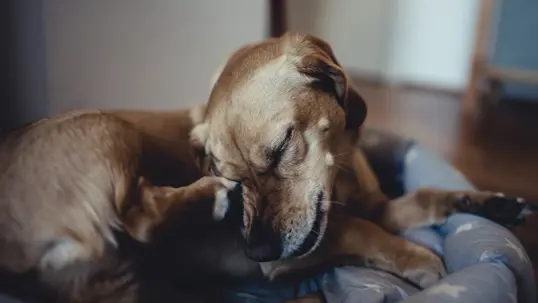
- Unusual Pet Behavior: One of the most typical signs of flea infestations is your pets excessively itching or grooming themselves. You may even catch them biting at their fur. Once your pet picks up fleas, a home infestation typically follows shortly.
- Reactions on You: Just like your pets, you may experience allergic reactions to flea bites on your skin. Flea bites cause itchy, red spots and are most commonly found near or on the ankles. Other signs of flea bites include rashes, hives, or swelling.
- Spots on Carpet or Furniture: If you notice small patches of red or black dirt in the nooks and crannies of your home, they may be flea droppings. The actual fleas may be harder to see, but keep a close watch for tiny white grains of sand on the floor or any places your pet frequently rests.
- Strange Spots on Pets’ Fur: Along with itching, your pets’ skin may have physical reactions to flea attacks. Some visible reactions to fleas include red patches of skin, fur loss, pale gums, and red or black droppings on their fur.
- Spotting Fleas Moving: Your best chance of catching a glimpse of a flea is noticing it moving. Check your pets’ fur carefully for any tiny insects jumping between hairs.

How to Get Rid of Infestations of Fleas
When you notice any signs of a flea infestation, it is crucial to act fast before the fleas multiply. Here are 3 basic steps for how to deal with fleas in your house.
- Clean: Thoroughness is key when cleaning to get rid of fleas. Vacuum the floor, corners, rugs, furniture, pet beds, and any other areas your pets frequent. This comprehensive cleaning approach helps remove the fleas in your home, preventing them from breeding. For an added layer of protection, consider steaming your carpets.
- Wash and Treat Your Pets: Removing fleas from your pets as soon as possible is crucial. Start by bathing your pets with gentle soap and water, then combing their fur with a flea comb outside. Calling your vet for vet-recommended flea treatment products to relieve their skin is also a good idea.
- Treat Your Home: If you’re wondering how many flea treatments you need to get rid of fleas for good, consider seeking professional help. We highly recommend calling a pest control specialist for expert flea control services. Their use of professionally tested, pet-friendly flea control treatments will ensure that your flea infestation is completely handled, relieving you of any worry about fleas remaining in your home.
Preventing Future Flea Infestations
After you have removed the fleas from your home or even before a flea infestation occurs, there are numerous strategies you can use to prevent future infestations. Apply these techniques before you worry about getting rid of flea infestations.
- Vacuum and Clean Regularly: You should clean the places your pets like to rest regularly. This can catch fleas early before they multiply.
- Protect Your Pet: Your vet is crucial in ensuring your furry friend is on an expert-approved flea control program, especially if they go outside frequently. Keep your lawn mowed, clear away yard waste, and monitor where your pet plays outside.
- Professional Pest Control: It is always a good idea to routinely perform professional pest control treatments in your home and lawn. These services will help ensure that you won’t experience problems with fleas or other pests in the future.
At General Pest Control, we’re not just committed to keeping your home pest-free, we’re committed to you. Whether you’re battling a flea infestation or facing other pest-related issues, our team offers expert advice and practical solutions. Don’t let pests disrupt your peace of mind—call us today for personalized recommendations and top-notch service.